Contact Our Experts

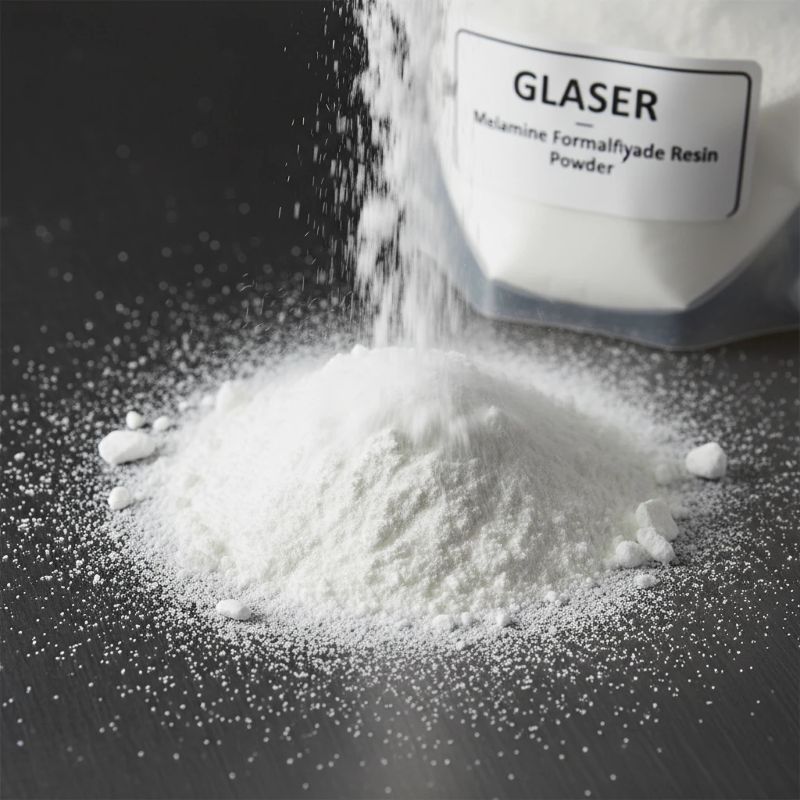
Dry Adhesive Powder

Dry adhesive powder

Dry Adhesive Powder is one of the most widely used chemical materials across various industries, particularly in packing, construction, textiles, wood, and paper sectors. Contact Us.
This type of adhesive is supplied in solid, powdered form, and when required, it is activated by the addition of water or specific solvents to exhibit its adhesive properties. Contact Us.
Below, we examine in scientific detail its concept, composition, applications, and advantages.

Applications

Wood and furniture industry: For cold or hot pressing in veneering MDF, lentron and plywood sheets.

Shelf Life

At least one year at 25 °C.

packing

25 kg polypropylene bag

Dry adhesive powder is usually made from thermoplastic or thermosetting polymers that are soluble or dispersible in water. Common compositions include:

  • Polyvinyl acetate (PVA)
  • Ethylene-vinyl acetate (EVA)
  • Polyacrylates and acrylic copolymers
  • Natural resins and cellulose derivatives (such as carboxymethyl cellulose)
  • Color: White to cream, sometimes transparent after dissolution
  • Particle size: Typically between 50 and 150 microns
  • Working solution pH: neutral to slightly alkaline (6.5–8.5)
  • Activation temperature: Usually ambient temperature, but some types require heat.
  • Adhesion and final strength: Excellent, depending on the type of polymer and surface used
بنر شرکت آبنوس


adhesive, ethylene-vinyl acetate (EVA),:White to cream;sizeUsually at ambientAdd water or suitable solvent,10 to 30 minutes depending on the type ofhigh durability, easy transportation, environmentally friendly,Inhalable dust; use of a mask is recommended.Dry, cool environment,;


CategorySpecifications and Descriptions
Drypowder
Main ingredients: polyvinyl acetate (PVA)polyacrylates, natural resins, cellulose derivatives
Physical statePowdery solid
Color and Appearance:transparent after dissolution
Particle50–150 microns
pH of working solution:6.5 to 8.5 (neutral to slightly alkaline)
Activation temperature:temperature (some types require heat)
How to activate:mix until completely uniform.
Setting time:adhesive and environmental conditions.
High final bond strength;resistant to moisture and heat after drying
Main applications:Wood and MDF, paper and cardboard, textiles, tiling, food packing
Main advantages:ability to control concentration and drying speed
Hazards and Safety:May cause skin irritation on direct contact. Keep away from flammable materials.
Storage conditions:away from moisture and direct sunlight.
Biodegradability depends on the type of polymerPVA and cellulose-based types are usually biodegradable.
Industrial applications
  1. Wood and furniture industry: For cold or hot pressing in veneering MDF, lentron and plywood sheets.
  2. Paper and cardboard industry: in the manufacture of envelopes, books, cartons, and printed laminates.
  3. Textile industry: As a binder in fabric printing and pigment fixation.
  4. Construction industry: Preparation of polymer mortars, tile adhesives, and waterproof coatings.
  5. Food packingindustry: Due to the lack of toxic solvents, it is permitted for use in food packing.
Benefits
  • Long shelf life due to lack of moisture
  • Easy and inexpensive transportation
  • Rapid activation with water or heat
  • High resistance to humidity, temperature and environmental factors after drying
  • Ability to adjust viscosity by adding water
  • Environmentally friendly in organic solvent-free varieties

Other Related Projects

همین الان با ما در ارتباط باشید

Consultation Request Form

receive consultation, please complete the form below.